WHY IT EXISTS
Letters that sound alike
ICAO says some letters, such as M and N or G and J, are easily confused with different accents or poor lines. A set word for each letter removes the doubt.
Trace a letter alphabetdoodle
00THE SPELLING ALPHABET
M and N, or G and J, sound alike on a crackly line.
The international radiotelephony spelling alphabet gives each letter a word that is hard to confuse, whatever the speaker's accent. Pilots, the military, police and others use it, and it has been in its current form since 1956.
Trace a letter01Principles
02THE SHORT ANSWER
Static, distance and accents all blur letters.
A shared list of words fixes that.
WHY IT EXISTS
ICAO says some letters, such as M and N or G and J, are easily confused with different accents or poor lines. A set word for each letter removes the doubt.
Trace a letterWHERE IT CAME FROM
In 1948 and 1949 ICAO worked with a linguist on words with similar spelling in English, French and Spanish. The final version was completed on 1 March 1956.
The historySTILL IN USE
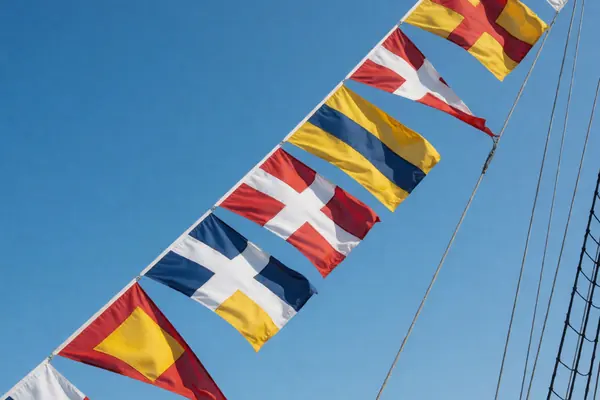
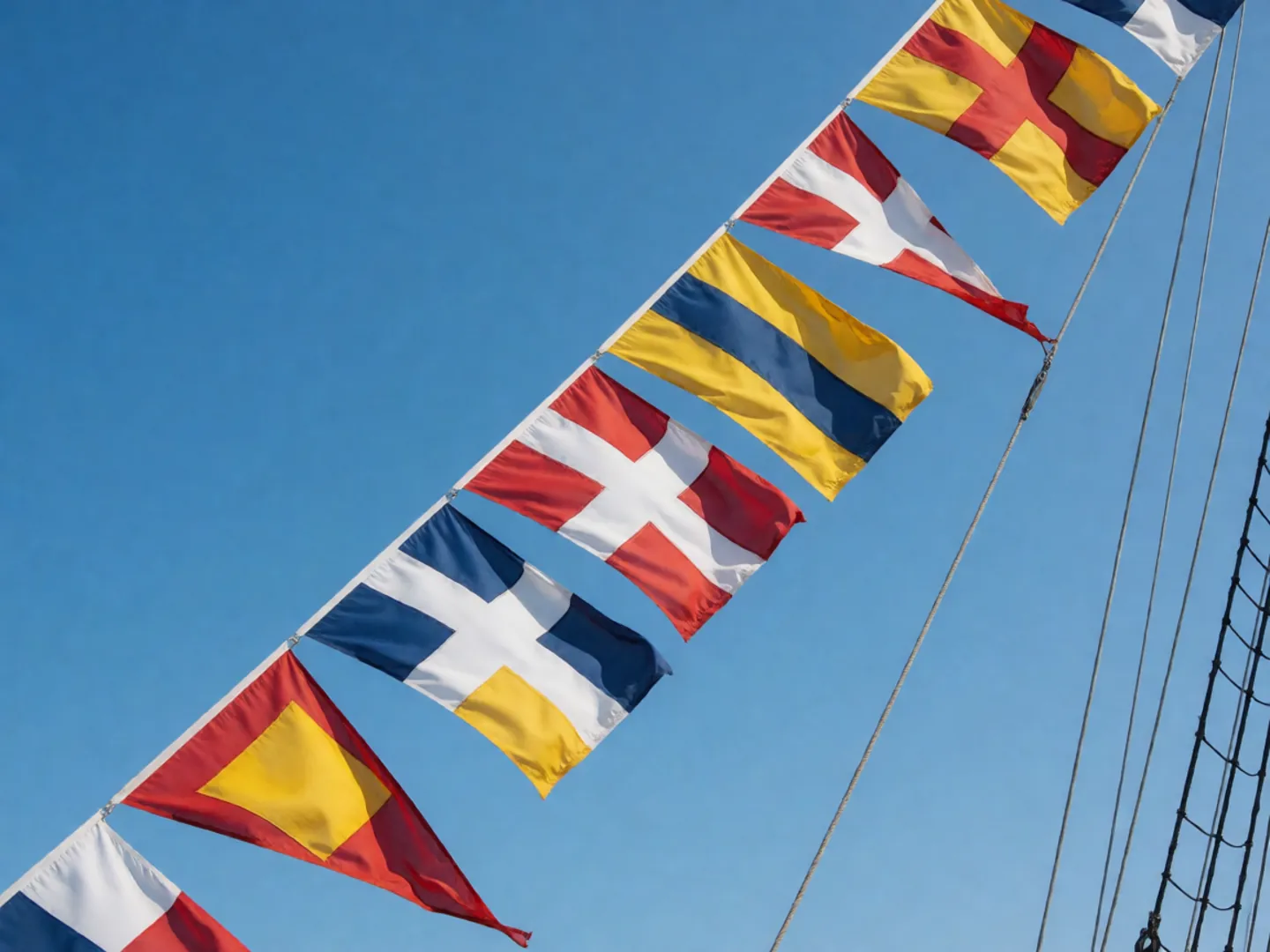
NATO notes that Bravo Zulu, signalled with naval flags and meaning 'well done', is also used in written military messages, such as replying 'BZ' to an email.
Use it yourself03A QUICK LETTER CHECK
Pick a letter to see some of the words used for it before today's alphabet settled. The bar shows how many times it changed.
Earlier words from Forces News, the RCEM Learning module on radio language and ICAO's history of the alphabet.
04TWO NUMBERS WORTH KNOWING
One date for the final version,
one for the numbers that are said differently.
1956
Final version completed
ICAO adopted a spelling alphabet on 1 November 1951 and completed the final version, still used worldwide, on 1 March 1956. NATO's version became effective the same year.
THE ALPHABET · ICAO
3 digits
Numbers said differently on air
Three is said 'tree', five 'fife' and nine 'niner', so they cannot be confused with similar-sounding numbers.
THE NUMBERS · ICAO
ICAO gives the example of an aircraft registration M345N, which over the radio becomes 'Mike, tree, four, fife, November'.
05THREE TIPS FOR A BAD LINE
Useful for postcodes, booking references and email addresses over the phone.
Say the code word for each letter in order: Alfa, Bravo, Charlie and so on through to Zulu.
Say each digit separately. Radio convention uses wun, too, tree, fower, fife, six, seven, ait and niner.
ICAO's example: M345N is 'Mike, tree, four, fife, November'. The aim is to leave nothing to guesswork.
06A CENTURY OF SPELLING
Forces News says words for letters date back to at least the 1920s. Royal Navy sailors in the First World War used Apples and Butter, and soldiers used Ack and Beer. A 1932 international list used place names such as Amsterdam, Baltimore and Casablanca.
The odd spellings are deliberate: RCEM notes that the f in Alfa and the double t in Juliett are there to make sure the words are pronounced correctly by speakers of other languages.
07Questions
Both names are used. ICAO calls it the International Radiotelephony Spelling Alphabet; it is also known as the ICAO phonetic alphabet and, with some modifications, the NATO alphabet.
RCEM explains that the f in Alfa and the double t in Juliett are intentional, to make sure the words are pronounced correctly.
To stop nine being confused with similar numbers. ICAO says three is said tree, five fife and nine niner.
ICAO adopted a spelling alphabet on 1 November 1951 and completed the final version on 1 March 1956. NATO says its alphabet became effective in 1956.
ICAO says it is commonly used by the military, police, airline pilots and others in aviation and travel. NATO says it became the universal alphabet for military, civilian and amateur radio.
08Sources
ABOUT THIS NAME
alphabetdoodle.com is part of the DoodleSale portfolio. It isn't in an auction right now, but you can ask about leasing it.